For decades, the ideal summer vacation followed an unquestioned script: pack for maximum heat, head south toward crowded Mediterranean or Caribbean shores, and spend stifling afternoons on sun-baked sand.
That script is officially being rewritten.
Driven by record-breaking global heatwaves, summer wildfires, and suffocating humidity across traditional tropical and southern resorts, travelers are abandoning scorching beach trips in favor of temperate northern climates and high-altitude escapes. Dubbed “coolcationing,” this behavioral shift is redefining peak summer travel and turning northern destinations into high-demand centers of global tourism.
Why Travelers Are Ditching the Heat
The move away from traditional heat-seeking getaways isn’t a temporary fad—it is a practical response to changing climate realities and shifting lifestyle preferences:
1. Thermal Comfort and Health Concerns
When summer temperatures across Southern Europe, the US Sunbelt, and tropical resorts regularly climb past 40∘C(104∘F), standard sightseeing becomes exhausting and outdoor exertion turns dangerous. Vacationers are prioritizing daily highs around 20∘C–25∘C (68∘F–77∘F), where exploring outdoors remains comfortable from morning to evening.
2. The Rise of “Active Wellness”
Static beach lounging is taking a back seat to active outdoor recreation. Today’s coolcationers are seeking immersive outdoor experiences—alpine hiking, glacier trekking, fjord kayaking, and lake swimming. Crisp mountain air provides an immediate physical and mental reset that humid coastal resorts struggle to match.
3. Avoiding Peak Overtourism
Traditional summer hot spots face severe seasonal crowding, leading to packed shorelines, long queues at cultural sites, and inflated resort pricing. Coolcation destinations offer lower population density, pristine natural spaces, and a more relaxed pace of travel.
Prime Coolcation Destinations
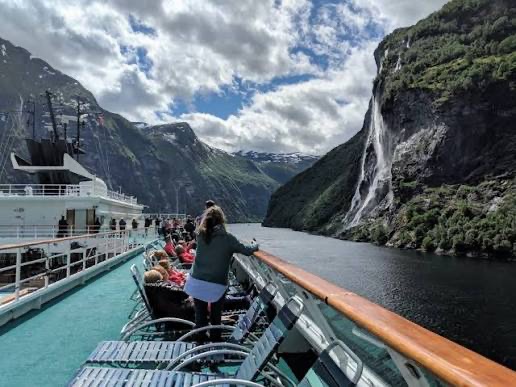
Scandinavia: Norway, Sweden, Denmark, and Iceland
Scandinavian countries lead the coolcation movement. With midnight sun, temperate fjord air, and extensive wilderness access, the Nordic region offers a peaceful alternative to Mediterranean heat. Key highlights include navigating Norway’s dramatic coastlines, exploring Sweden’s lake archipelagos, and experiencing Iceland’s geothermal springs paired with crisp coastal winds.
High-Altitude Alps: Switzerland, Austria, and the French Alps
Ski resorts across the European Alps are transforming into premier summer sanctuaries. As lowland European cities swelter, ascending into high-elevation mountain valleys offers immediate thermal relief, refreshing breezes, and crystal-clear glacial lakes.
The Swiss Alps provide crisp mountain air and cool alpine lakes.. Source: nature picture / Getty Images
The Great North: Canada & The Pacific Northwest
In North America, travelers are heading toward Banff, Jasper, and the coastal wilderness of Vancouver Island and the Pacific Northwest. Glacial national parks, ancient rain forests, and cool ocean air make these ideal summer refuges for families and solo adventurers alike.
Bow Lake in Banff offers stunning glacial waters and cool mountain breezes.. Source: CHENG FENG CHIANG / Getty Images
Traditional vs. Coolcation Summer Getaways
| Travel Aspect | Traditional Summer Getaway | The Coolcation Alternative |
| Primary Climate | High heat (35∘C–42∘C+) and heavy humidity | Mild, refreshing breezes (18∘C–25∘C) |
| Core Activities | Beach lounging, sunbathing, resort pool retreats | Fjord cruises, mountain hiking, lake kayaking, sauna culture |
| Daily Rhythm | Midday heat forces retreats indoors or under shade | Full-day outdoor mobility and comfortable sightseeing |
| Key Regions | Mediterranean, Caribbean, Southern US | Scandinavia, Canadian Rockies, Swiss/Austrian Alps |
The Long-Term Economic Impact on Tourism
Coolcationing represents a structural shift in global travel geography. As summer temperatures continue to rise, airlines, tour operators, and hospitality brands are reallocating fleet capacity and investment toward northern markets.
By choosing thermal comfort, natural landscapes, and uncrowded destinations, coolcationers are proving that the ultimate summer break is no longer about chasing the sun—it’s about knowing when to escape it.