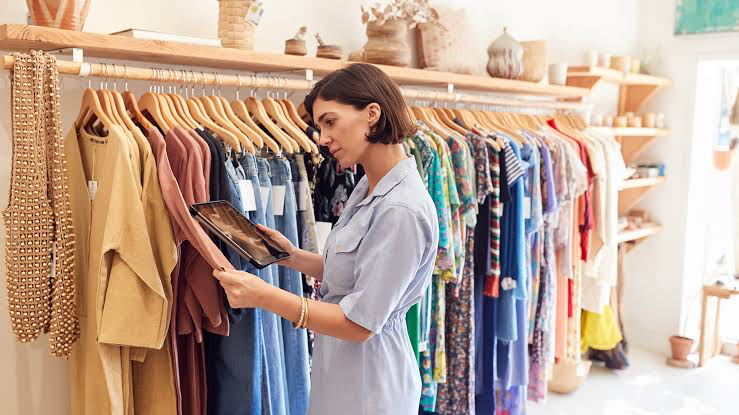
The global fashion landscape has reached a turning point. Driven by a mix of budget-conscious choices, climate awareness, and a desire for unique personal style, shoppers worldwide are stepping back from ultra-fast fashion cycles.
In its place, a thriving ecosystem built around secondhand luxury, digital thrifting platforms, and carefully curated “slow-fashion” capsule wardrobes has emerged. What started as a niche movement for vintage enthusiasts has expanded into a global luxury resale market exceeding $40 billion, proving that pre-loved clothing is no longer a temporary trend—it’s a permanent fixture of modern style.
The Global Surge in Secondhand Luxury
The luxury resale sector is expanding significantly faster than traditional primary luxury retail. A few key shifts explain why shoppers are turning to pre-owned designer pieces:
- Democratized Access: Secondhand luxury allows younger shoppers—particularly Gen Z and Millennials—to acquire archival pieces from legacy fashion houses at far more accessible price points.
- Investment Mentality: Buyers increasingly treat high-end leather goods, tailored coats, and luxury timepieces as tradable assets. Iconic items like vintage Hermès bags or Rolex watches often hold or increase their value over time, making resale a form of circular investment.
- Uniqueness Over Uniformity: Fast fashion’s relentless weekly releases have led to trend fatigue. Fashion enthusiasts turn to the secondary market to source rare, discontinued, or vintage runway pieces that stand out rather than blend in.
| Fashion Model | Manufacturing & Product Quality | Lifecycle & Environmental Impact | Value Retention |
| Linear Fast Fashion | High volume, synthetic fabrics, low durability | Short wear cycles; rapid disposal in landfills | Depreciates immediately; zero resale value |
| Circular Recommerce | High quality, natural materials, crafted to last | Extended circulation across multiple owners | High asset retention; strong secondary market value |
Digital Ecosystems: How Tech Powerhouses Streamlined Resale
Mobile-first platforms have transformed what was once a time-consuming thrift shop hunt into a smooth, app-based shopping experience. Modern platforms have tackled two historically major hurdles in secondhand shopping: ease of discovery and buyer trust.
- High-End Luxury Consignment: Platforms like The RealReal and Vestiaire Collective focus on verified heritage goods. They use physical valuations and advanced image-authentication tools to verify authenticity before an item reaches a buyer.
- Peer-to-Peer Social Commerce: Apps like Depop and Poshmark cater to casual streetwear, vintage finds, and trend-driven outfits. They use algorithmic social feeds, direct messaging, and visual seller storefronts to build community-driven shopping.
- Direct Brand Take-Back Programs: Leading apparel brands are launching official certified pre-owned programs. Customers return used items for store credit, while the brand handles cleaning, repairs, and resale directly.
Building the “Slow Fashion” Capsule Wardrobe
Alongside the rise of resale apps, consumer mindsets are shifting toward intentional, minimalist closets. Instead of buying cheap seasonal micro-trends, more people are building “capsule wardrobes”—compact collections of versatile, well-made garments that pair together effortlessly.
Three core principles guide this approach to shopping:
- The Cost-Per-Wear Mindset: Smart buyers evaluate purchases by dividing the initial price tag by projected wears. A pre-owned, well-crafted wool coat bought for $300 that lasts a decade offers far better long-term value than a $60 synthetic jacket that degrades after one season.
- Prioritizing Premium Fabrics: Slow fashion focuses heavily on natural, durable materials—such as heavy cotton, linen, silk, wool, and cashmere—over petroleum-based synthetics like polyester.
- Mending and Long-Term Care: The slow-fashion movement puts a premium on keeping clothing in circulation. Simple habits like cobbler shoe repairs, tailored adjustments, and proper garment storage shift how we view clothes—from disposable throwaways to long-term investments.
What Lies Ahead for the Fashion Industry?
As consumer spending shifts toward pre-owned goods, major fashion houses are adapting. Rather than viewing resale platforms as competition, luxury brands are launching in-house trade-in programs and forming official partnerships with secondhand marketplaces.
This hybrid retail model proves that circular fashion isn’t just an alternative way to shop. Backed by smart technology and shifting values, thoughtful, long-lasting design is shaping the future of global fashion.